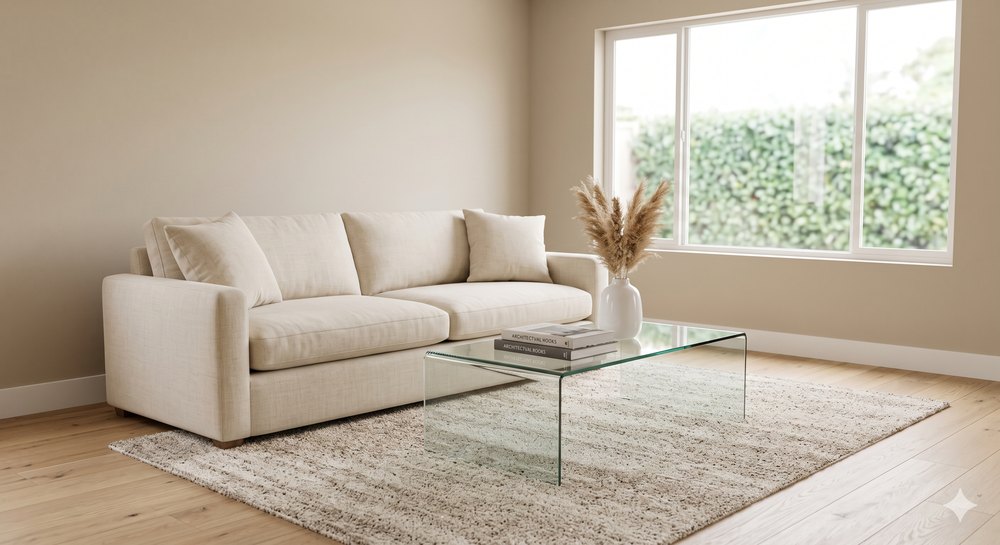
Here is the seller move most people skip, and it costs them buyers before anyone walks through the door. Depersonalizing. I am Connor MacIvor, SellersOnlyAgent.com, and this is the prep step I walk every seller through before the photographer or videographer ever shows up, because by the time the camera is rolling it is too late to fix.
The Photos Are the First Showing
Your first showing is not when a buyer stands in your living room. It is the moment they see your listing photo on their phone, and they decide in about a second whether to tap in or keep scrolling. The large majority of buyers start online. The picture is doing the selling before a human is ever involved, which is the same reason the eight-second curb-appeal impression matters so much.
And the camera is not your friend when it comes to personal items. A wall of family photos that looks warm in person reads as visual noise in a wide-angle shot. The eye goes to the faces, not the room. A buyer scrolling fifty listings will not give yours the benefit of the doubt. The photo has to win on its own, and personal clutter is what makes it lose.
Depersonalize Is Not Declutter, Not Staging
These are three different jobs, and sellers blur them together. Decluttering removes excess so rooms feel bigger and cleaner. Staging arranges furniture and decor to show a room's purpose and scale, which I get into in the declutter and staging strategy. Depersonalizing is the one in the middle that gets forgotten. It removes the specifically personal markers so the buyer can imagine themselves there.
You can have a spotless, professionally staged home that still falls flat because thirty framed photos line the hallway and the buyer spends the whole walkthrough learning your family tree. Clean is not the same as neutral. You need both.
The Room-by-Room Depersonalize Pass
Walk the house like a buyer and pull these before the shoot. Box them, label them, and you are halfway packed for your move anyway.
- Walls and shelves: family photos, portraits, names spelled out in letters, monograms, diplomas, certificates, trophies, and award plaques.
- Kitchen: the refrigerator gallery, magnets, kids' artwork, calendars, school schedules, and notes. A bare, clean fridge front photographs far better.
- Living areas: personal collections, heavily themed decor, and anything religious or political. Neutral does not mean you are hiding who you are, it means you are not narrowing your buyer pool.
- Bedrooms: name decor over kids' beds, jerseys with last names or school logos, and personal photos on nightstands.
- Bathrooms: prescription bottles, personal toiletries, and anything with your name on it. Clear the counters.
- Home office: mail, documents, anything with your name and address, and screens showing personal accounts. This one is also a privacy issue, more on that below.
While the personal items are coming down, it is the right moment to handle the small repairs the photos will expose anyway. That list is in the high-ROI fixes to make before listing.
The Privacy and Safety Reason Nobody Mentions
Here is the part almost no agent brings up. Your listing photos and video go out to the entire internet. Anyone can see them. So when a photo shows a child's name on a wall, a school logo on a jersey, a calendar with your weekly schedule, mail with your name and address, or expensive watches and electronics sitting out, you have just handed strangers information you would never give out on purpose.
Depersonalizing for the camera is a security step, not only a marketing one. You are deciding what the whole world gets to know about your family and your valuables. Take it seriously, because once those images are live and indexed, they are out there.
What the Video Catches That Photos Hide
Video is where sloppy depersonalizing gets exposed. A still photo is framed and controlled. A walkthrough video moves, and it catches what a photographer would have angled around. Reflections in mirrors and dark TV screens that show personal items or the person filming. Surfaces the camera lingers on. The magnet you missed on the side of the fridge.
So do the depersonalize pass before the video too, not just the stills. If you are going the extra mile with motion or aerial work, and you should, the same prep discipline applies, which I cover in the drone and twilight video guide. A clean home shot in motion sells. A personal one filmed in motion just shows more of what should have come down.
Do Not Go Sterile
Now the balance, because sellers overcorrect. The goal is neutral and warm, not cold and empty. A home stripped to bare walls with boxed-up rooms photographs as sterile, and it quietly tells a buyer the seller already mentally moved out. That is not the feeling you want.
Leave the tasteful, non-personal touches. Soft textures, a few plants, neutral art, a set table, fresh towels. You are removing the markers that say this is mine, not the warmth that says this is a home. Done right, a buyer walks the photos and starts arranging their own furniture in their head. That is exactly where you want them before they ever call.
Not sure what to pull and what to leave? I walk every listing room by room before the camera shows up, so the photos sell on day one.
Book a Seller Strategy Call | (661) 400-1720One Fee, In Writing, Sellers Only
When you are ready, request a seller strategy review. I represent sellers only, 100 percent on the seller's side, no dual-agency conflict. The prep work, the photo and video direction, the depersonalize walkthrough, that is all part of building a listing that wins online before a buyer ever steps inside.
And the work to sell a 500,000 dollar home and a 1.5 million dollar home is the same work. Same prep, same marketing, same negotiation. So the fee should not balloon with the price either. Every other cost that touches your equity, escrow, title, and vendor charges, gets examined and negotiated. See you in the next one.
Selling in Santa Clarita Valley? Sellers only. Every fee negotiated. Your home prepped to sell on the first scroll.
Book a Seller Strategy Call | (661) 400-1720